


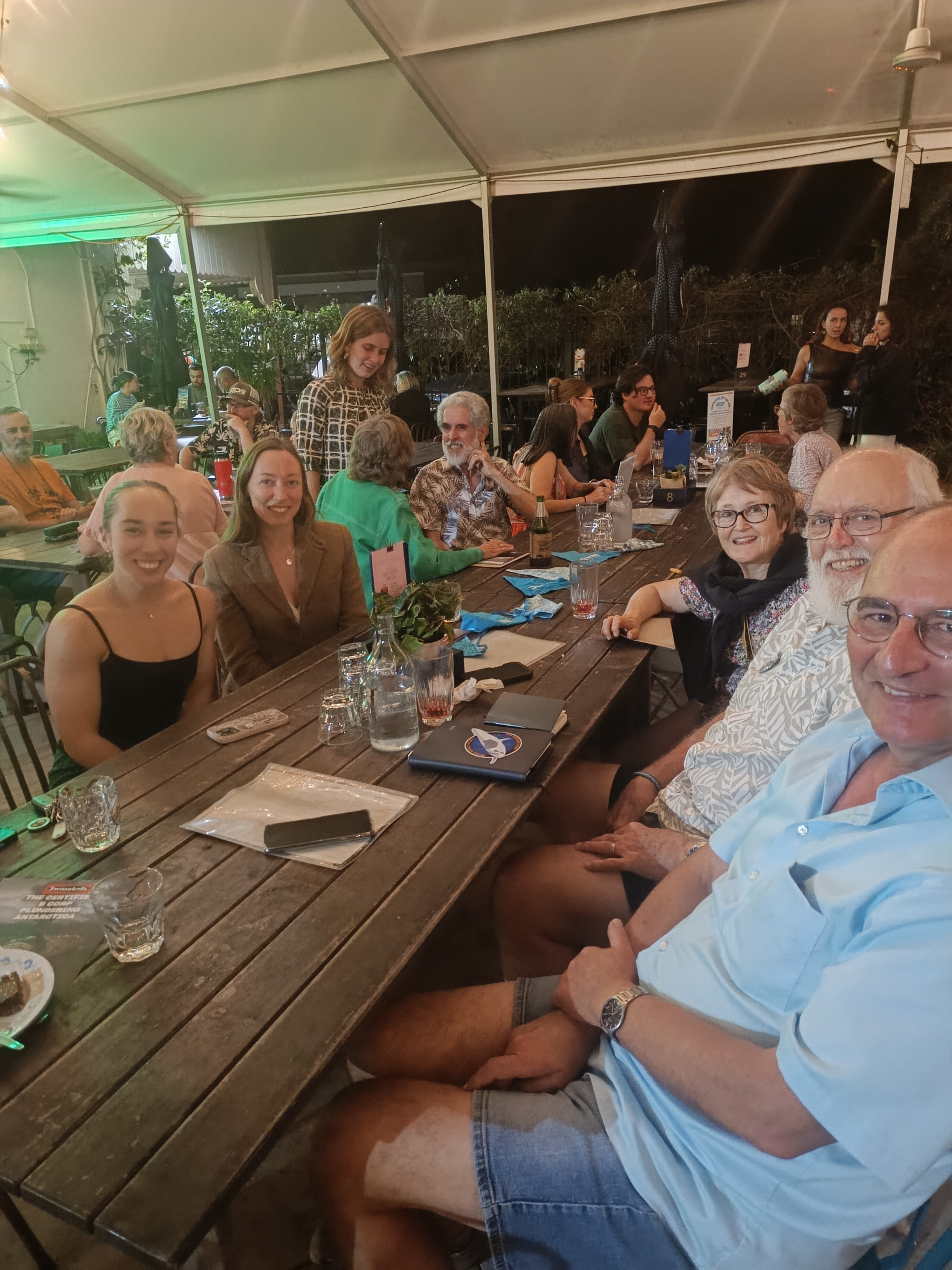
Last week’s Green Drinks evening brought together community members for a relaxed night of conversation and a growing awareness of how deeply local lives in North Queensland are connected to distant ecosystems.
This month we were joined by Erin Miles, community campaign organiser with the Bob Brown Foundation. Erin, who is also a James Cook University research student, spoke about current campaigns focused on Antarctic marine ecosystems - particularly the expanding industrial harvest of Antarctic krill.
Why krill matter more than they sound
Krill are small, shrimp-like organisms, but they form the foundation of the entire Antarctic food web. Whales, penguins, seals, and countless seabirds depend on them. When krill populations are disrupted, the effects ripple upward through the entire ecosystem.
Erin highlighted how industrial fishing for krill-often for omega-3 supplements and aquaculture feed-is increasing pressure on this system at a time when climate change is already reshaping Antarctic waters.

A system more connected than it looks
One of the strongest themes of the evening was how interconnected these issues are with North Queensland.
Whales that feed in Antarctic waters migrate thousands of kilometres north, becoming part of the marine life we regularly celebrate in places like Townsville. These migrations are also part of the region’s tourism identity, linking distant ocean health directly to local economies and experiences.
Erin also drew attention to the growing expansion of intensive aquaculture-particularly salmon farming-and how krill is used in fish feed. These industries are not isolated: decisions made in global supply chains flow directly into environmental pressures felt in Australian waters as well, including proposals and developments across North Queensland.
For instance, companies such as the Tassal Group are operating or expanding aquaculture activities in the region. These developments have been the subject of ongoing environmental scrutiny and public debate, particularly around the impacts of open-pen farming systems on water quality, nutrient loading, and sensitive coastal ecosystems.
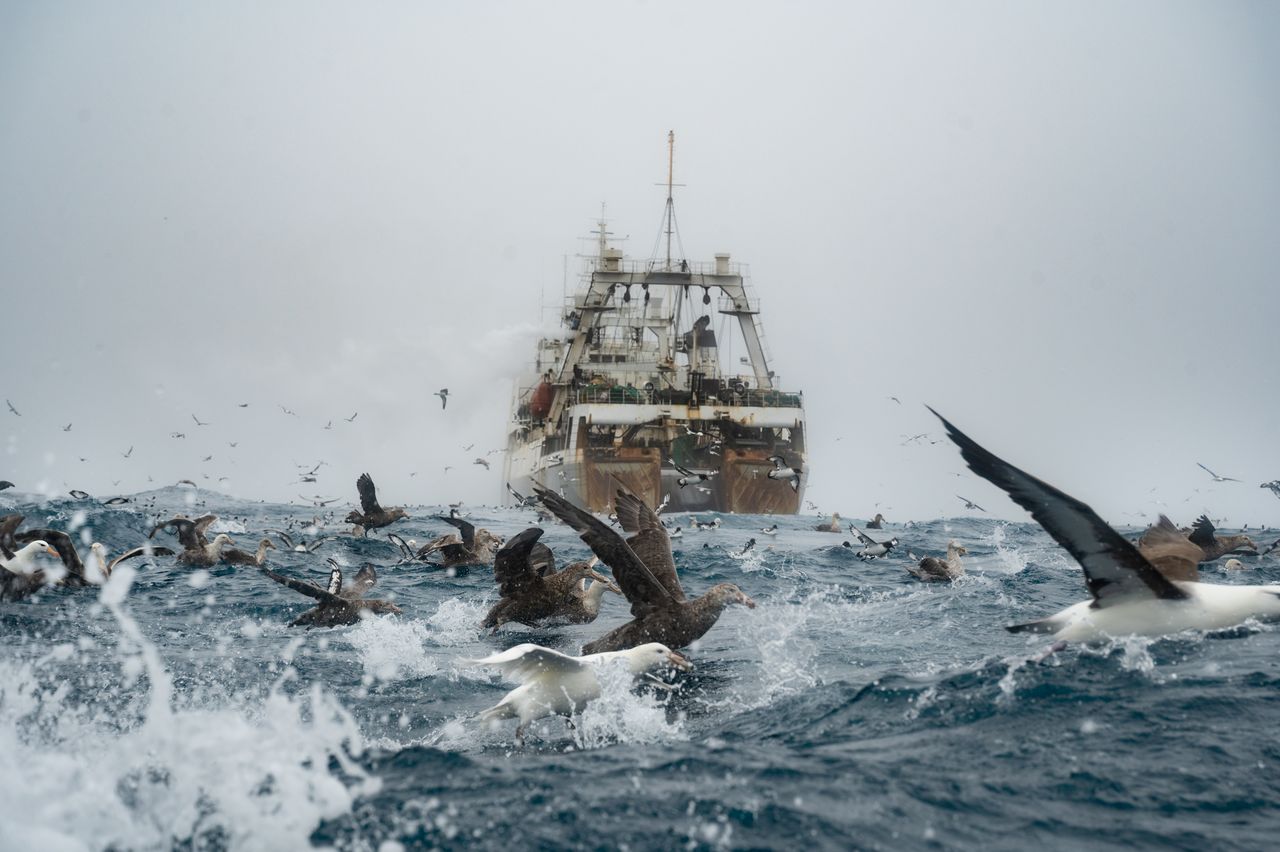
Credit: Steffen Chaffer
Concerns from the Southern Ocean
Some of the concerns raised during the discussion included:
- Industrial-scale krill harvesting methods that can rapidly deplete local concentrations
- Bycatch and vessel interactions with large marine species, including whales
- Reports and investigations by marine conservation groups such as Sea Shepherd into incidents that are not always formally recorded
- The ability of large fishing vessels to operate in remote waters with limited oversight due to the nature of high seas operations.
While regulations exist in the Southern Ocean under international agreements, participants noted that enforcement and transparency remain ongoing challenges.
What’s happening with krill products?
A key discussion point was where krill ends up. Much of the catch is processed into omega-3 supplements or animal feed ingredients, meaning consumers far from Antarctica are indirectly linked to these fisheries.
Erin noted that in some European contexts, pharmacies and retailers have begun reassessing or phasing out certain marine-based omega-3 products, with increasing interest in plant-based alternatives.
What can people do?
The evening closed on a practical note: while the issue can feel vast, there are clear ways individuals and communities can engage.
Some of the actions discussed included:
- Checking whether personal supplements or products contain krill or fish-derived omega-3s
- Exploring plant-based omega-3 alternatives
- Supporting campaign work through organisations like the Bob Brown Foundation
- Reaching out to local pharmacies or retailers to ask about sourcing and sustainability standards
- Staying informed about how aquaculture expansion in Australia links back to global feed systems

Green Drinks continues to be a space where those connections become visible-not through alarm, but through conversation, curiosity, and shared responsibility.
If you’re interested in joining future events or learning more, keep an eye on upcoming Green Drinks evenings.
Showing 1 reaction