


What does an environmentally successful energy transition look like in the Townsville region? This is the question we sought to answer through Mapping Our Energy Future, harnessing local knowledge and expertise to develop community-led guidelines for our local energy transition. This blog post contains a full rundown of the project, which we hope you'll enjoy - but you can also check out our key recommendations at a glance.
About the project
What was the purpose of the project and who funded it?
NQCC partnered with Queensland Conservation Council to develop this report with the assistance of a grant from the Dept of Energy and Climate of the previous Queensland Government. The report is aimed to synthesise community values to develop principles for an environmentally-successful energy transition in the Townsville region.
What geographic area did the project focus on and why?
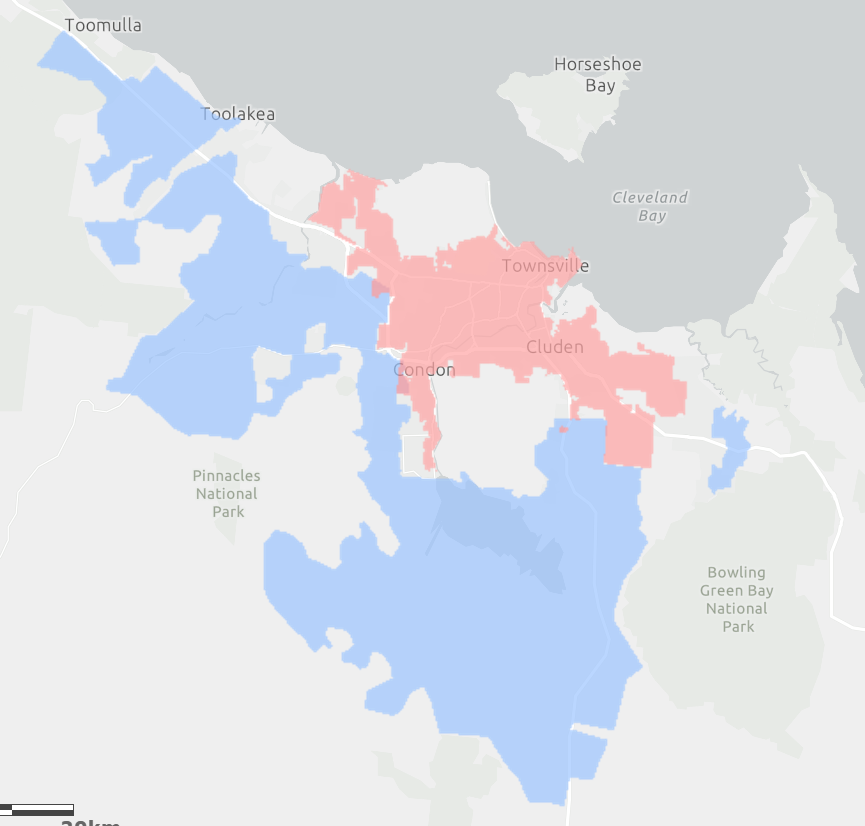
The project focused on the Townsville region within the North Queensland Renewable Energy Investigation Area (marked in blue below). This investigation area was identified in the North Queensland Regional Plan (March 2020) as land potentially suitable for renewable energy development.
What are the main features of the energy transition in that region?
Townsville’s climate supports the growth of strong solar and battery resources. There are large-scale solar and battery projects currently operating and many more proposed.
Who was engaged?
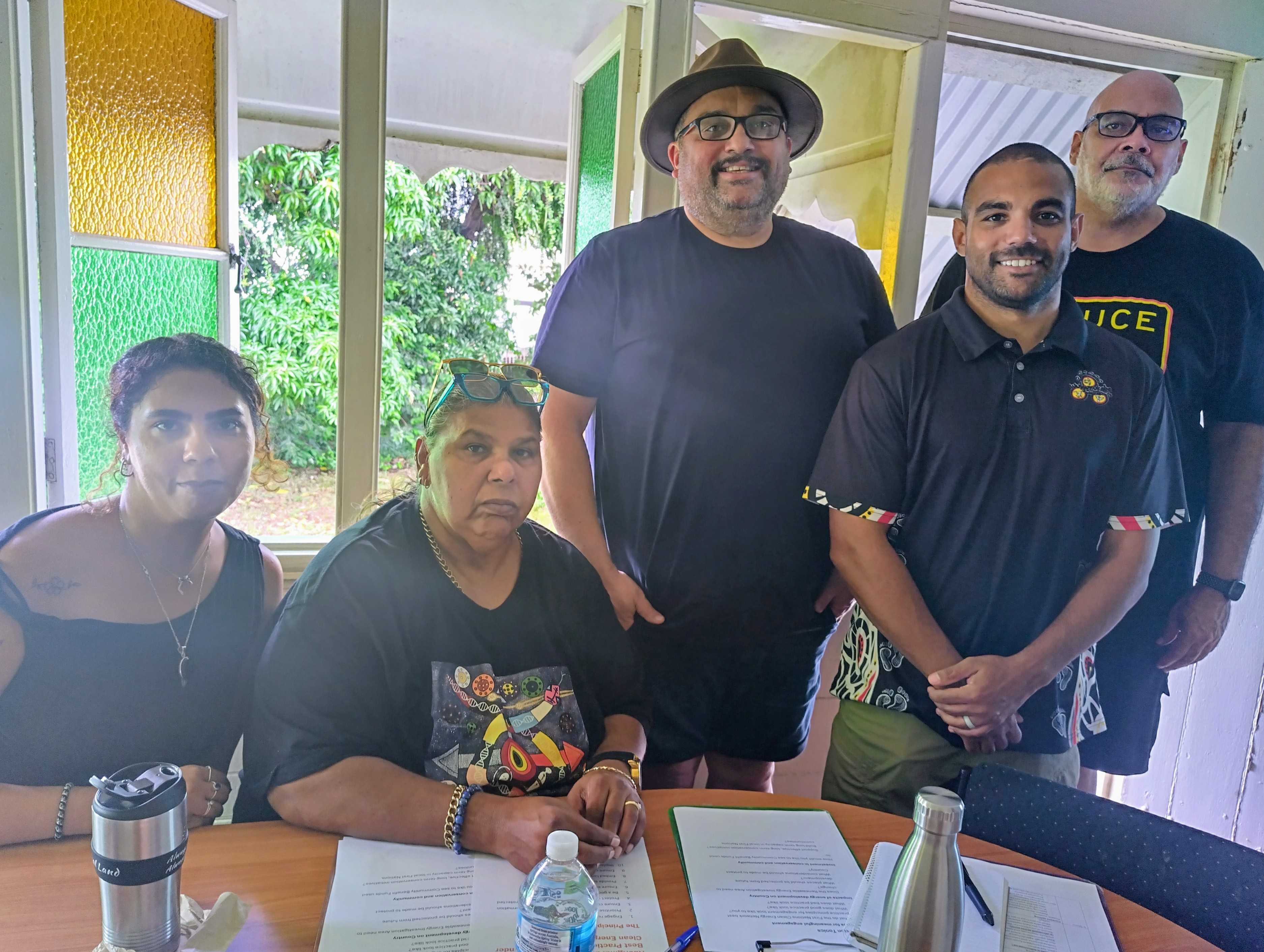
In 2025 and 2026, a total of 66 stakeholders participated in workshops to share local knowledge and perspectives. These stakeholders included local community members, organisations and agencies (local and state government and non-government organisations), people with experience in the industry, researchers, professors and Traditional Owners.
 |
 |
|
|
|
|
|
|


What other information sources were used?
Desktop studies were undertaken to identify Matters of National Environmental Significance and Matters of State Environmental Significance within the region.
Information was also gathered through online surveys and workshops or events held locally.
What did we learn?
Key concerns
The community is concerned about biodiversity decline due to the cumulative effects of accelerated project development and habitat fragmentation isolating populations.
Other key concerns included the potential introduction of new invasive species to the region, erosion and associated impacts on water quality, threats to cultural heritage, increasing roadkill, and the risk of illegal dumping expanding into previously undisturbed bushland as access roads are constructed.
Impacts of the local energy transition
Environmental impact assessments identify the Southern Black-throated Finch and Bare-rumped Sheathtail Bat as species at greatest risk and likely to face disproportionate pressure from habitat loss and fragmentation associated with the region's renewable energy transition.
Further community concerns were raised for protection of habitat and corridors for Mahogany glider, Greater glider, Squirrel glider, Unadorned rock wallaby, Pretty-faced wallaby, Spectacled hare-wallaby, Koala, Northern quoll, Rufous bettong, Southern squatter pigeon, Dingo, and coastal subpopulation of inland Emu, with an emphasis on maintaining connectivity between highlands and lowlands, coastal and inland.
 |
 |
| Black-throated Finch (southern) | Bare-rumped Sheathtail Bat |
Community recommendations
1. Reduce impacts of projects
Workshop participants identified some key areas where developers could significantly reduce, mitigate or address potential environmental impacts. Recommendations related to site selection, research and planning, project design and further steps that developers could take to mitigate or offset their impacts - to help them meet and exceed their legislative requirements.
2. Follow local principles for respectfully engaging Traditional Custodians
The First Nations Clean Energy Network has a variety of great resources for communities, governments and energy proponents. Building upon these, local principles were developed by some Traditional Custodians that are specific to our region.
These principles relate to Free, Prior and Informed Consent, cultural heritage protection and community benefits, with clear examples provided.
Read full recommendations here.
3. Invest in community resilience and long-term nature outcomes
The community identified opportunities for investment in urban greening, environmental restoration, community energy infrastructure (including community batteries) and more climate resilient infrastructure.
There was a strong desire for investment in the region to support the work of established local groups, and to resource new and existing Caring for Country programs to strengthen ecological resilience, improve conservation outcomes and enhance the region's capacity to sustainably manage the impacts of future renewable energy development.
What gaps were identified?
Gaps in community confidence and support were identified through uncertainty with recycling components of renewable projects once decommissioned, and lack of transparency with a single, up-to-date, trusted source of information on existing and future projects.
The report calls for a better scientific understanding on the cumulative effects of the local transition, particularly in areas of close proximity to the transmission line.
Furthermore, it emphasises the importance of peer-to-peer support to provide clear and trusted information on future projects for Traditional Owner groups, improving capacity to participate in negotiations for cultural heritage protection and community benefits.
What next?
Our report was submitted to the Queensland Government and our contract ended - but we see this as just the beginning!
The work that we and our colleagues across the state have been doing has been recognised by RE-Alliance, who have reached out with an opportunity to continue this work alongside them. They have a great record of supporting regional and impacted communities navigate and improve the energy transition, and we're excited to be working with them into the next chapter!
Next steps:
In late September, we'll be sharing what we've learned at our AGM with NQCC members, and inviting them to support future work.
In late 2026, we'll be holding a workshop to bring all previous workshop participants together, present our findings, gather further insights and look to the future.
From there forwards, we'll be using online surveys and in-person workshops to better understand community objections or concerns about renewable energy, and identifying research, leaders or experts who can fill any knowledge gaps.
Our goal is to hold a Community Energy Forum in Townsville in the first half of 2027, with a stellar line-up of guest presenters who can:
- address concerns raised by the community throughout our listening
- build excitement for North Queensland's energy transition
- articulate calls to action for industry and government to ensure community expectations are met
We really hope you can support this work! Keep an eye on your inbox and our social media pages for updates and ways to get involved.
Acknowledgements
This project relied heavily on the time and expertise that was generously volunteered. We are enormously grateful to all workshop participants and volunteers who assisted with facilitation, promotion and data synthesis.
Showing 1 reaction